 Türkçe tr
 English en
 Русский ru
 العربية ar
 Español es
 Português pt
 Azərbaycanca az
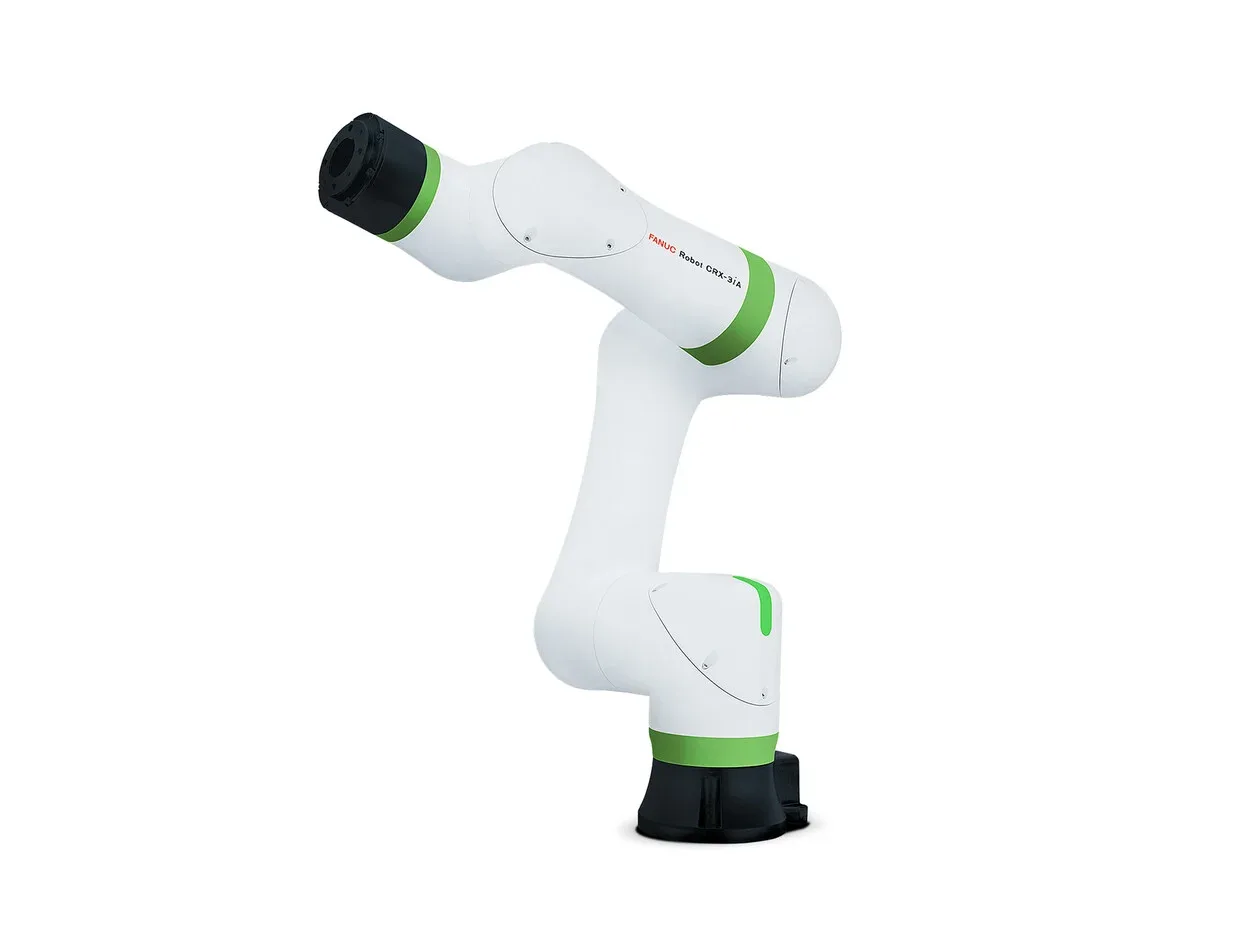
FANUCCRX series
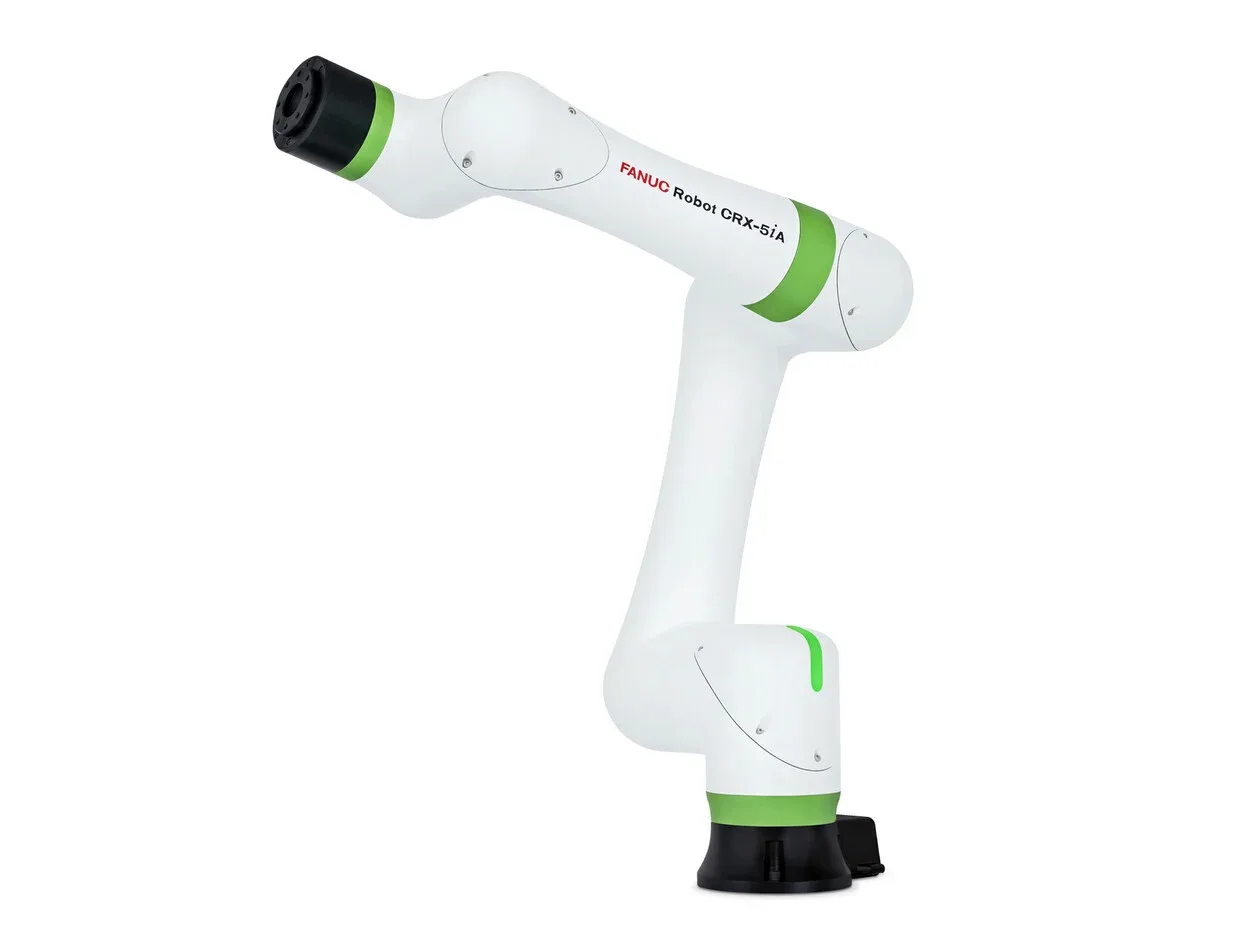
CRX-3iA
The lightest model in the series, with the shortest reach; light part handling in tight spaces.
Model detailsWith FANUC CRX and ABB GoFa and PoWa collaborative robots, we build automation that fits into small spaces, installs quickly and is easy to program.
A cobot is an industrial robot designed to work safely in the same workspace as people. Thanks to contact-sensing sensors and limited speed and force settings, most applications with a proper risk assessment do not need large safety fencing, and the robot is easily programmed by hand-guiding it or from a tablet.
Cobots are a good fit for repetitive tasks such as machine tending, small-scale palletizing, screwdriving, pick and place, quality inspection and welding, especially for manufacturers who want to automate without major changes to their existing layout.
An important note: it is not the cobot itself that is safe, but the application as a whole. A sharp gripper or a heavy part changes the risk. That is why we carry out a risk assessment to ISO 10218 and ISO/TS 15066 on every project and set speed and force limits accordingly.
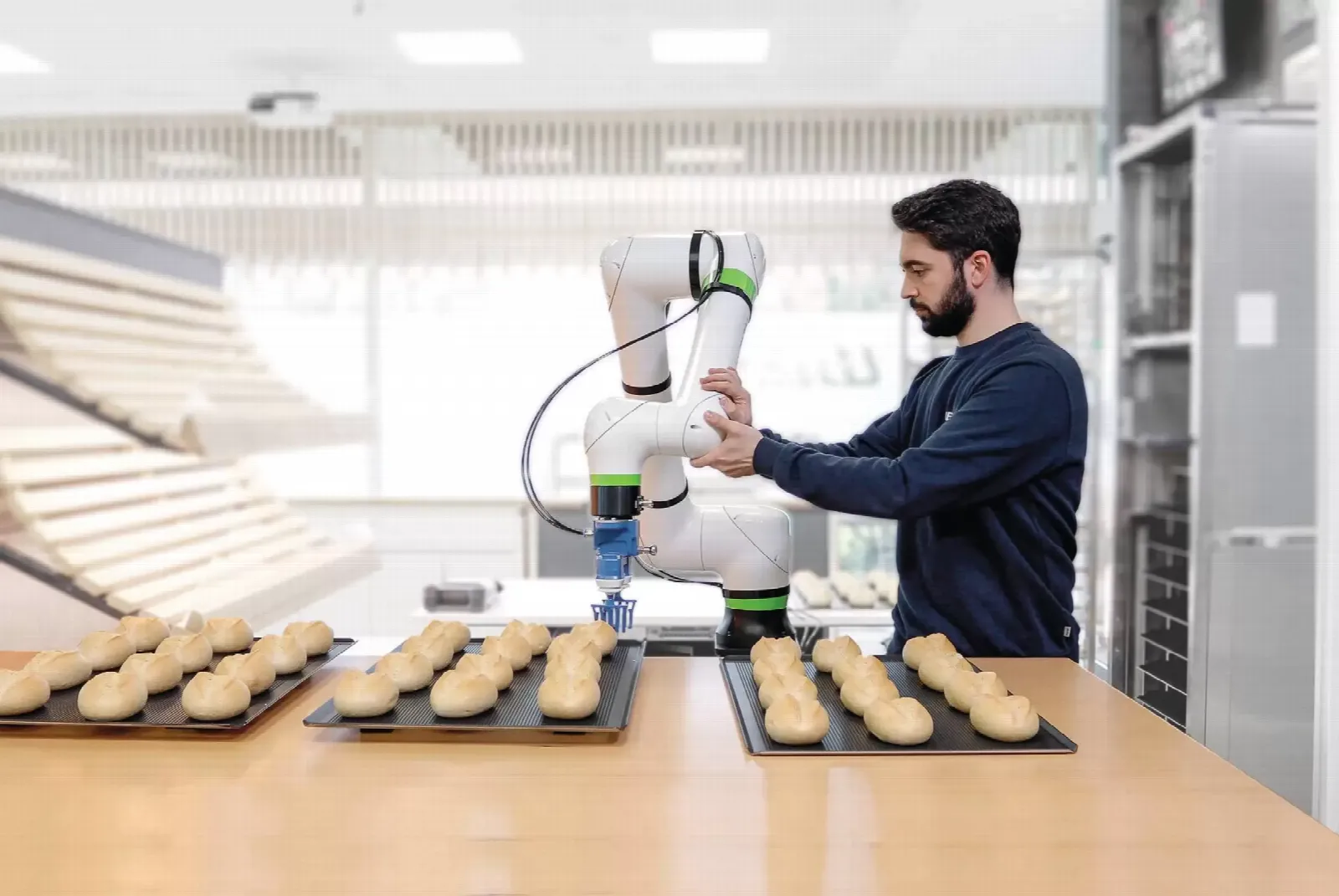
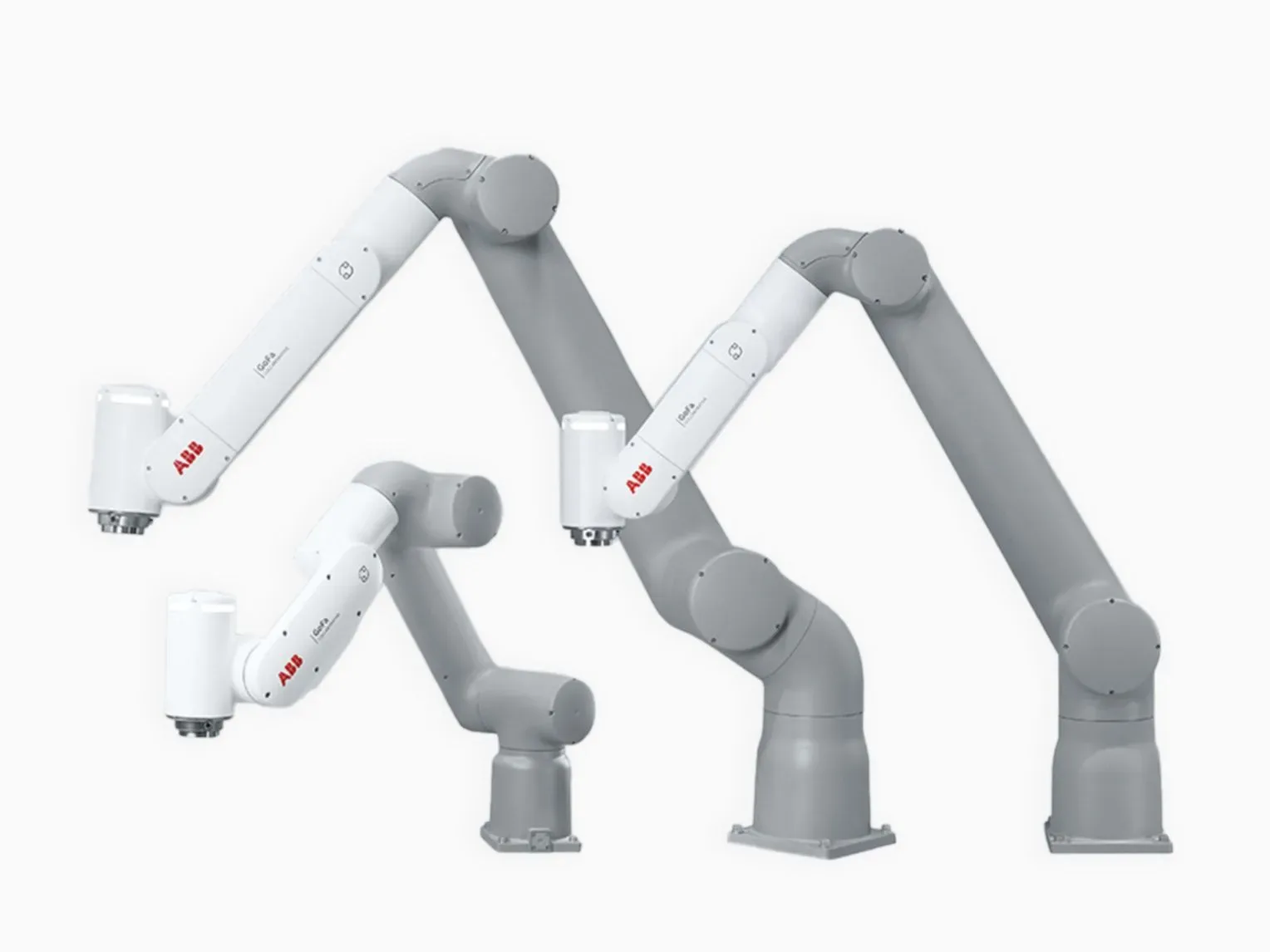
We select the right model for your application from the FANUC CRX, ABB GoFa and ABB PoWa series. The figures are catalogue data published by the manufacturers; the choice depends on your part, your gripper and your cycle time target.
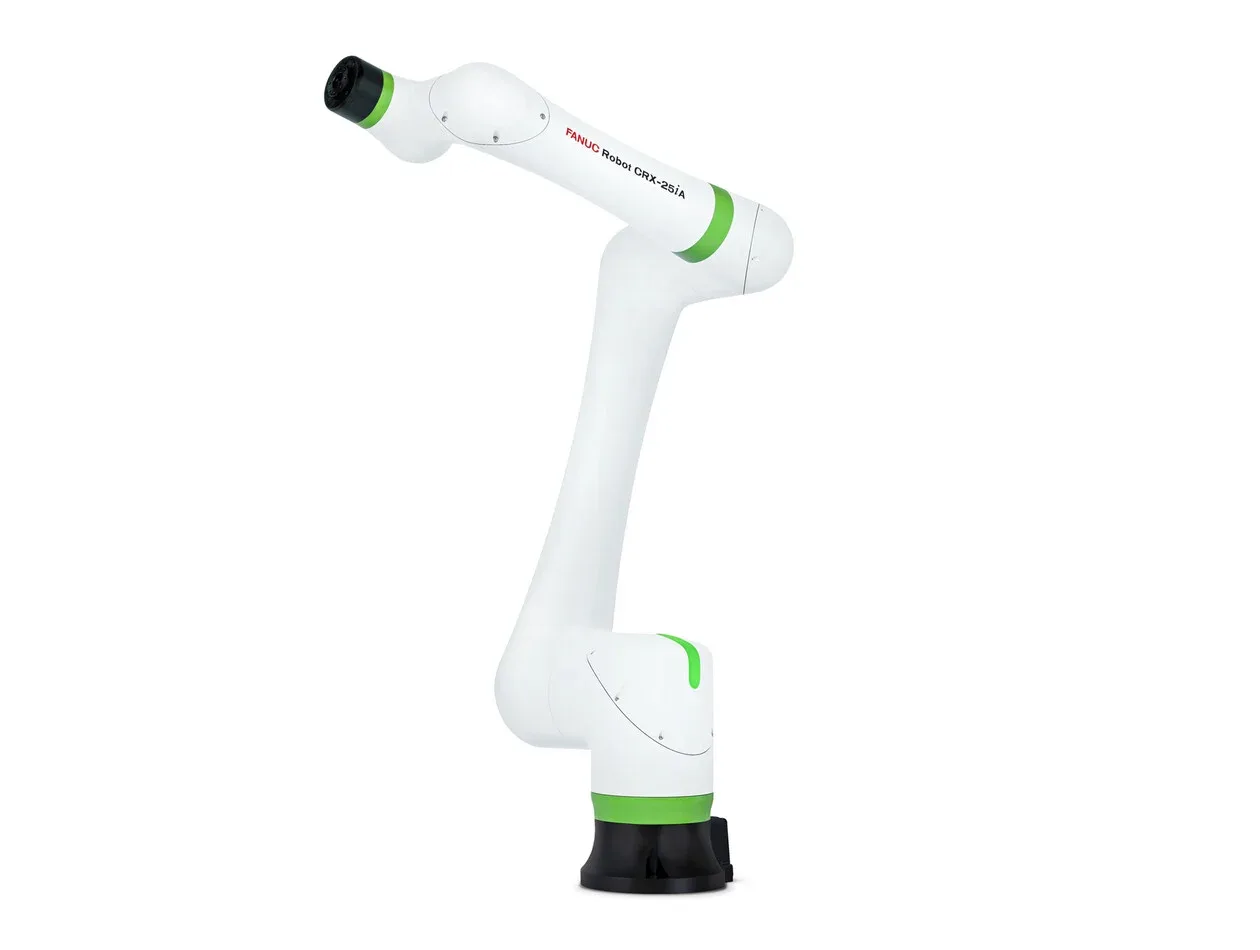
FANUCCRX series
The lightest model in the series, with the shortest reach; light part handling in tight spaces.
Model detailsFANUCCRX series
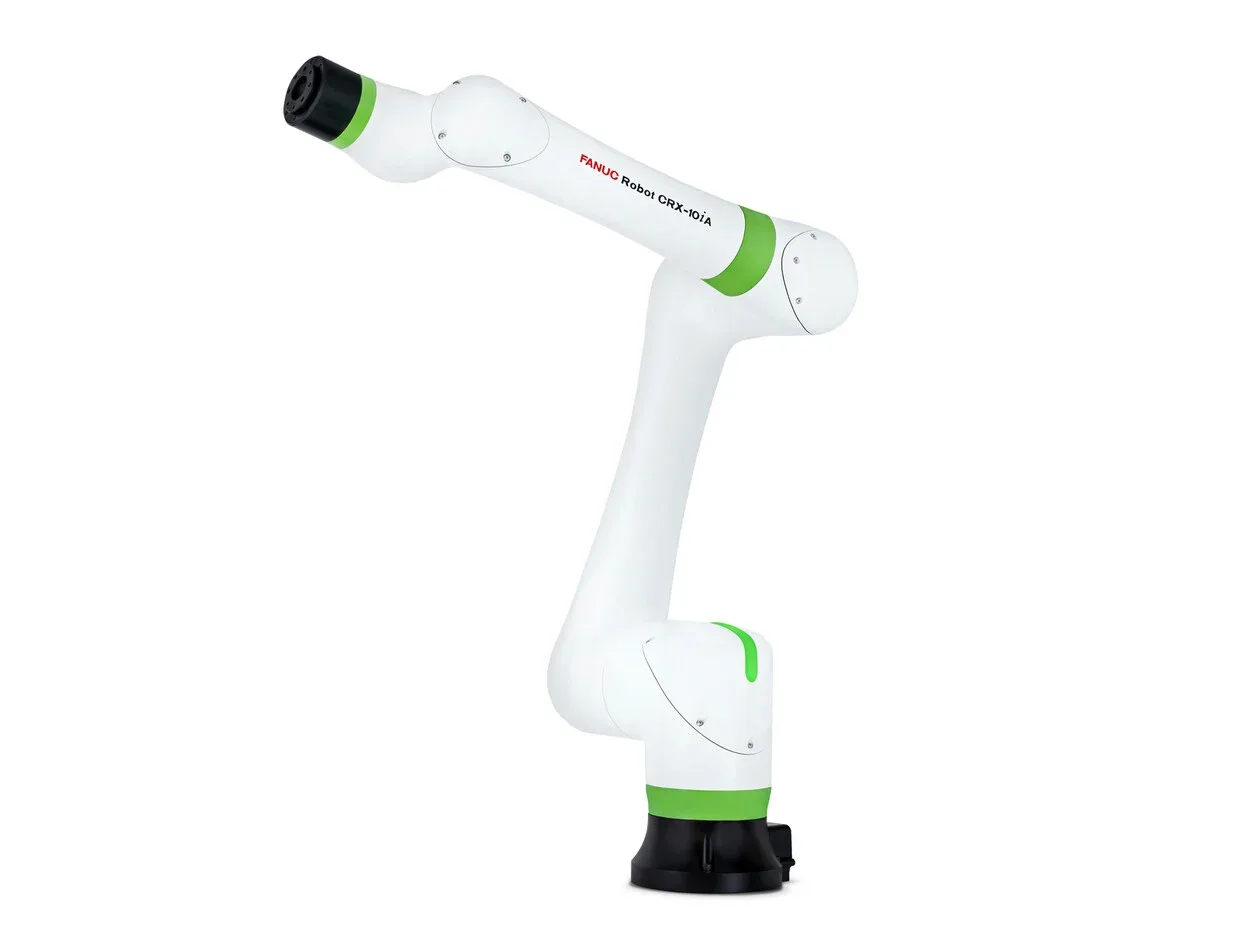
Compact model for assembly, testing and machine tending with small parts.
Model detailsFANUCCRX series
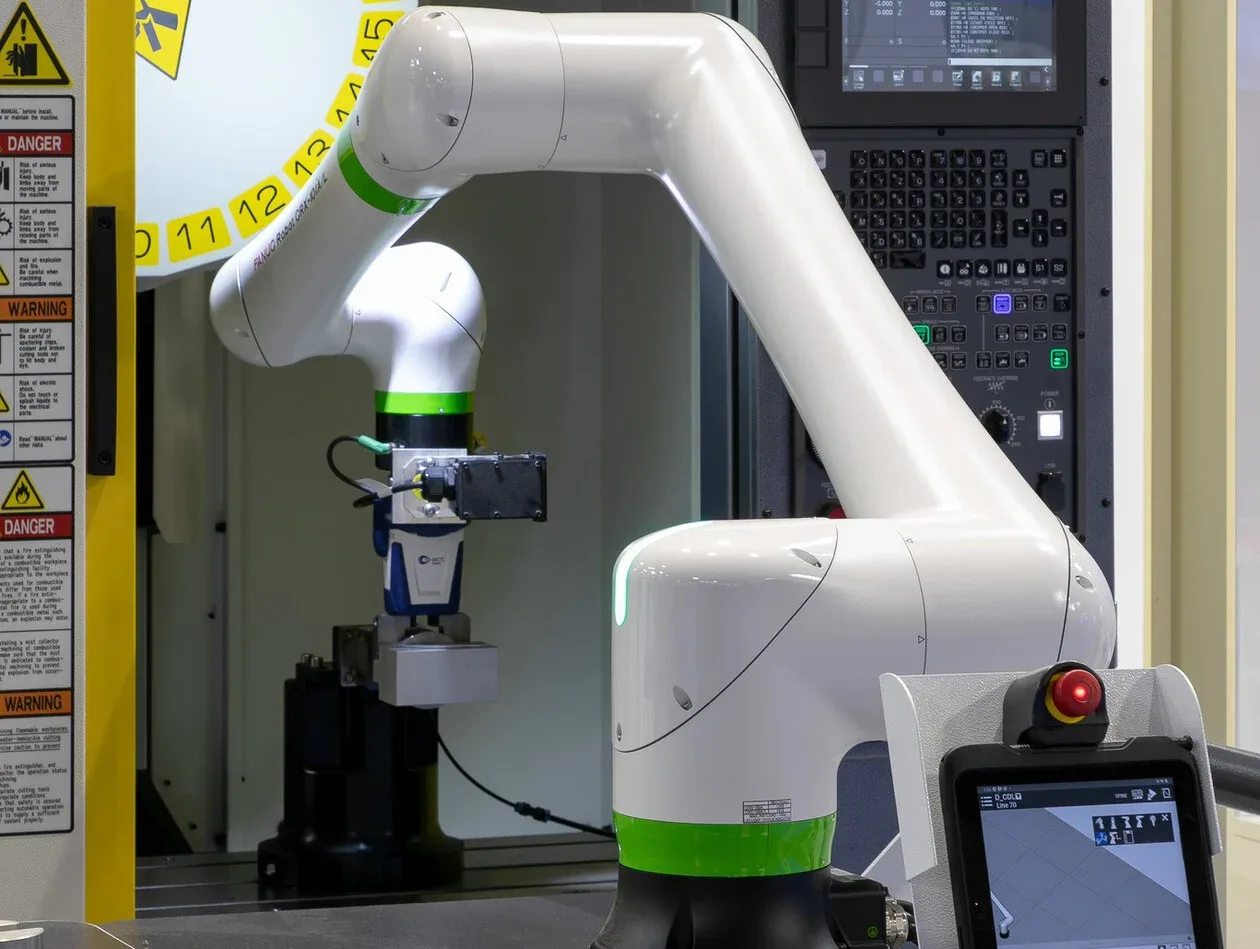
General-purpose model for machine tending, packaging and welding.
Model detailsFANUCCRX series
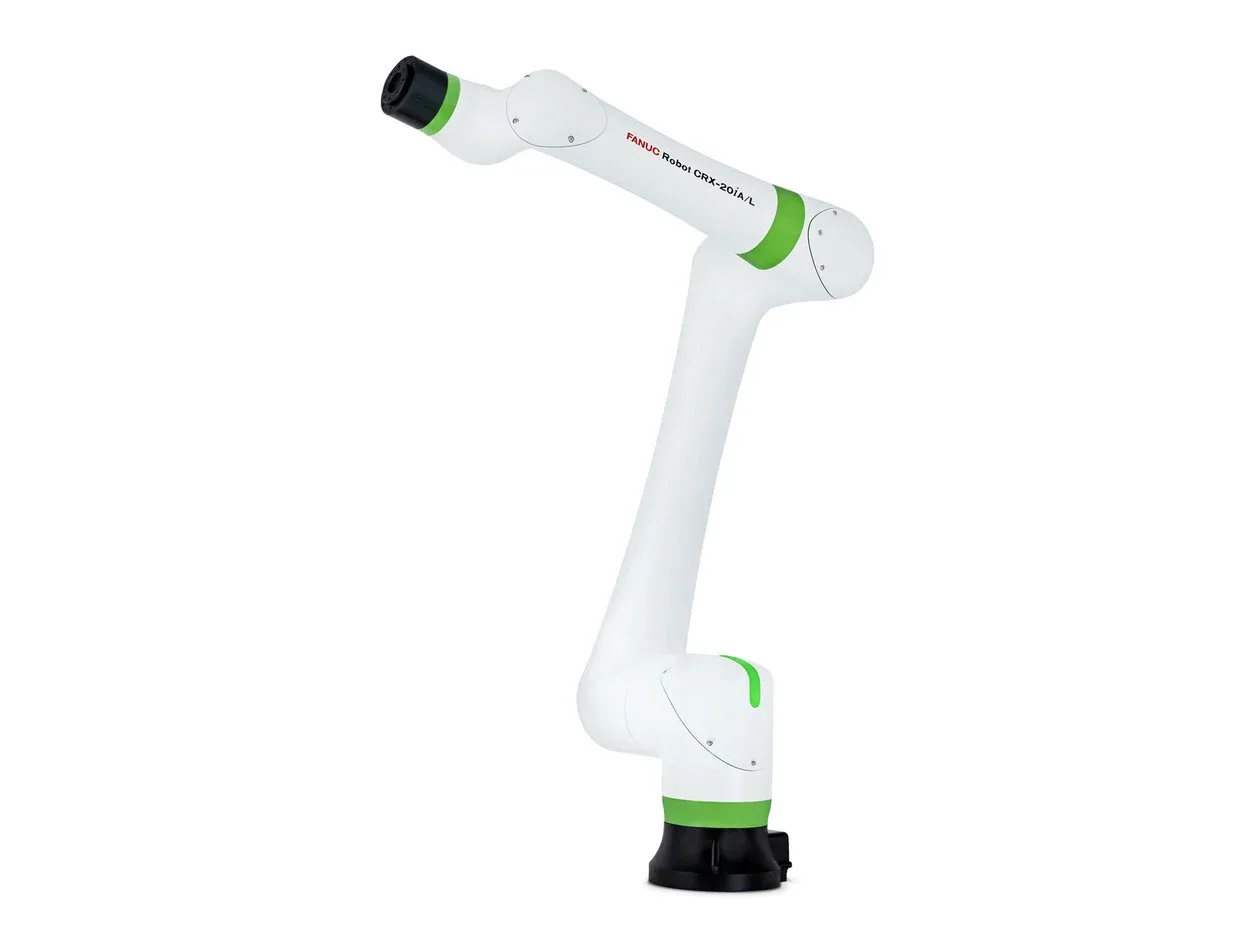
Long-reach model; its underflip motion lets it work in tight spaces.
Model detailsFANUCCRX series
The highest-payload model in the series; handling heavy parts and boxes.
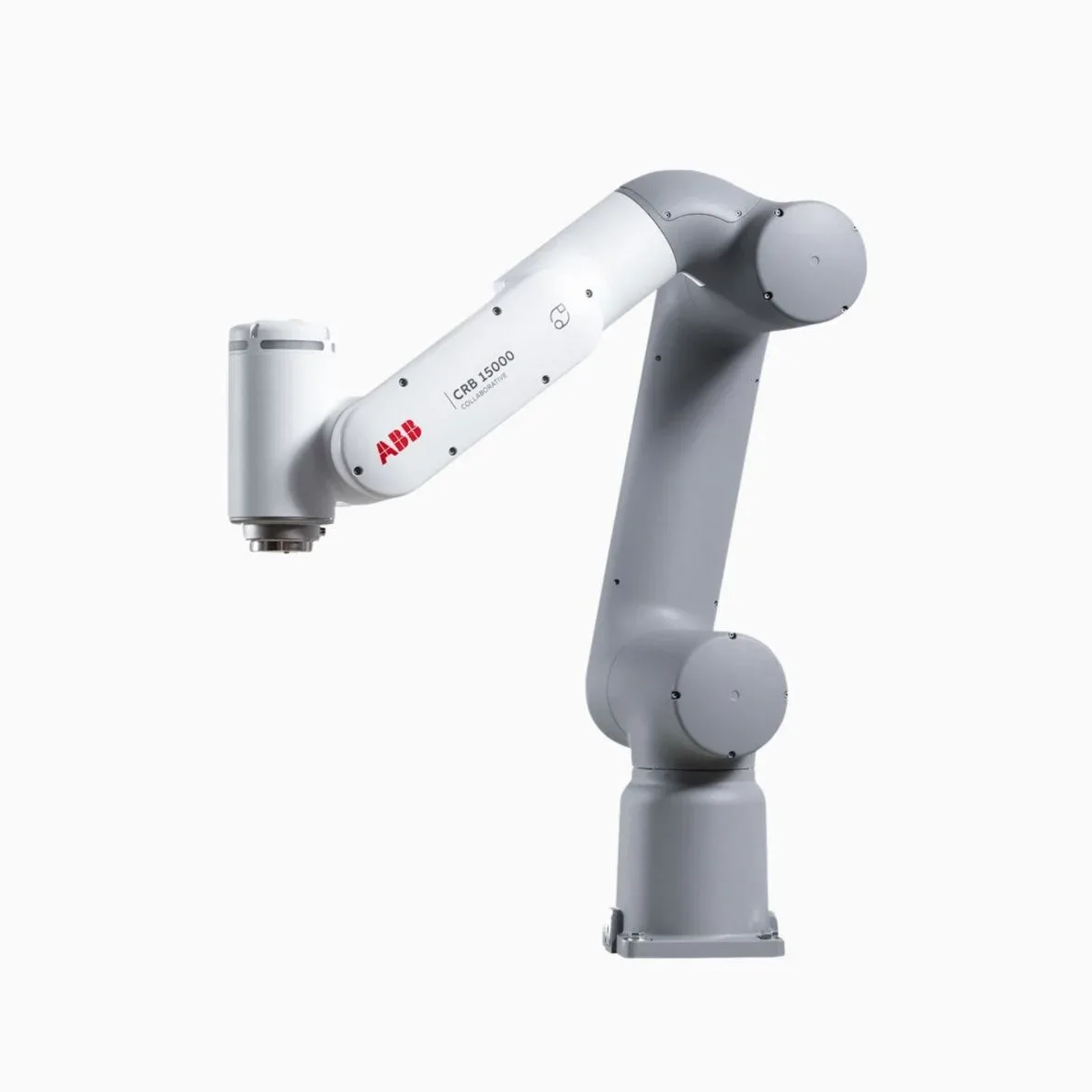
Model detailsABBGoFa series
Compact GoFa for precision assembly, dispensing and laboratory applications.
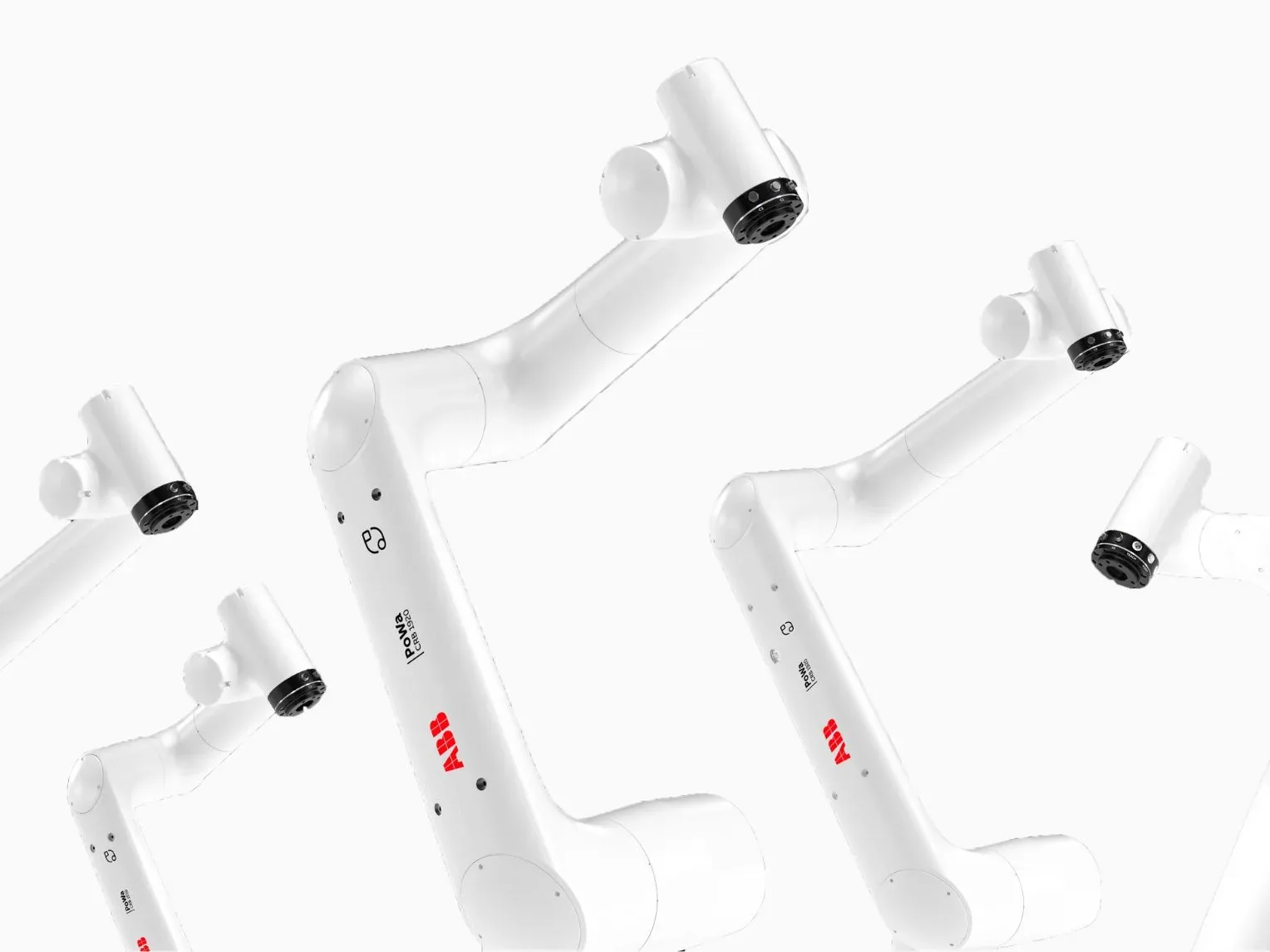
Model detailsABBPoWa series
The longest-reach model in the family; a large working area and arc welding.
Model detailsABBPoWa series
The highest-payload model in the family; palletizing and heavy parts.
Model detailsPayload and reach figures are catalogue data from the FANUC (fanuc.eu) and ABB (abb.com) product pages. The payload given for GoFa 10 and 12 applies to wrist-down mounting. The right model and gripper for your application are chosen together after a site survey.
We select the right model with you based on payload, reach and your application.
Collaborative robots with payloads from 5 to 30 kg. Drag-and-drop tablet programming, hand-guiding and the FANUC controller platform make them easy to integrate into existing FANUC lines.
ABB collaborative robots for light and medium payloads. Hand-guiding, easy programming and precise motion make them well suited to assembly, machine tending and inspection tasks.
ABB's new collaborative robot series developed for heavier payloads and higher speeds. It brings cobot simplicity to palletizing and heavy part handling.
Defining speed, force and workspace limits based on the application as a whole.
Application-specific equipment such as vacuum or mechanical grippers, screwdriving units or welding torches.
Hands-on training so your team can program the cobot for new jobs on its own.
When there is not enough space, time or budget for a conventional robot cell, a cobot offers a fast start.
They work efficiently alongside operators on repetitive tasks with light and medium loads.
Loading and unloading parts at the machine, with uninterrupted production on the night shift.
Stacking cartons and crates onto pallets.
Fast, hand-taught programs for small-batch welding jobs.
Torque-controlled screwdriving and part joining.
Camera-based measurement, code reading and visual inspection.
Picking products from conveyors, boxing and sorting.
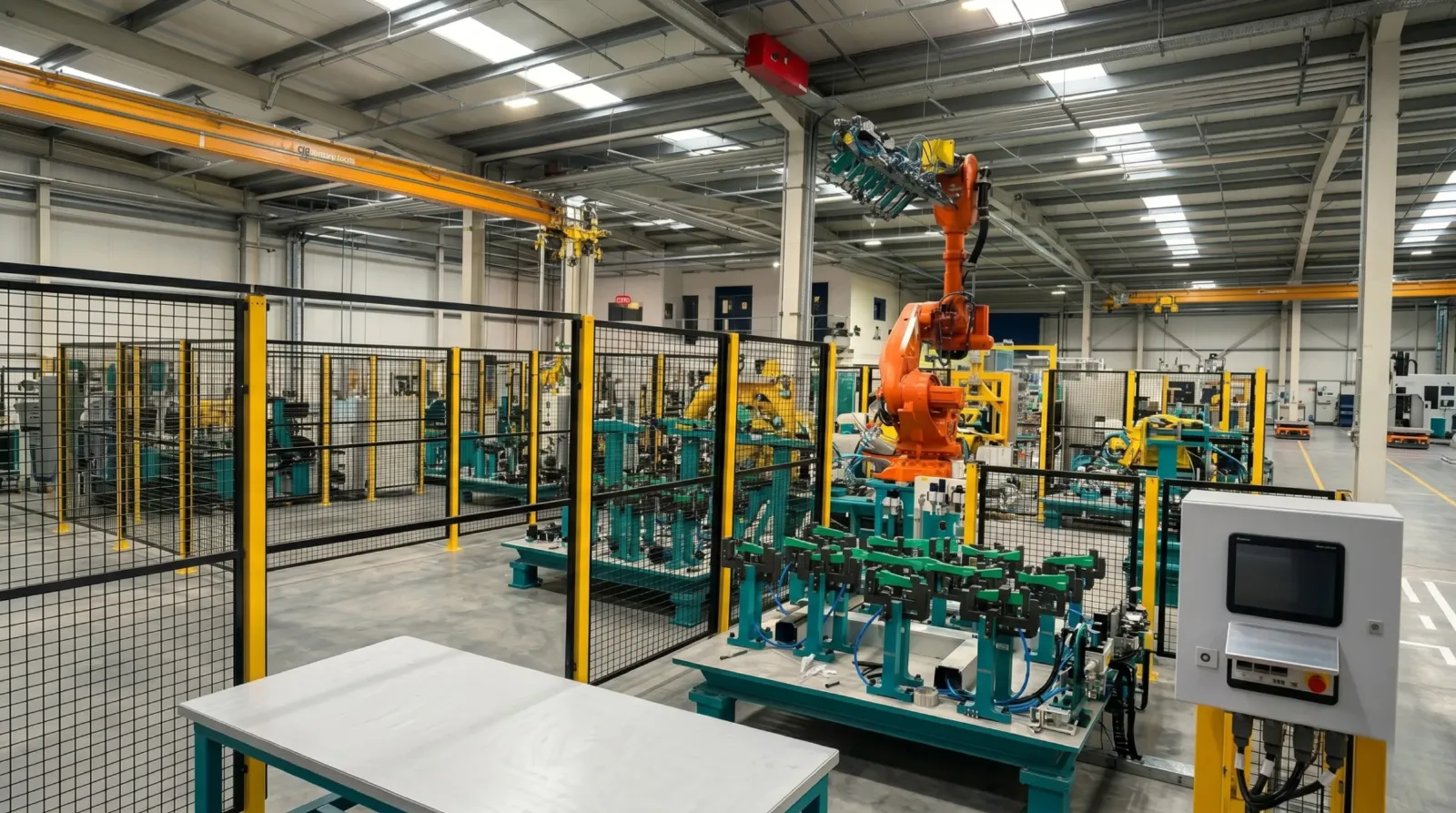
Share your application and goals, and together we will define the right robot cell, layout and investment plan for you.