
 Türkçe tr
 English en
 Русский ru
 العربية ar
 Español es
 Português pt
 Azərbaycanca az
Improves cutting precision
Parts are cut to the required size and shape with high accuracy.
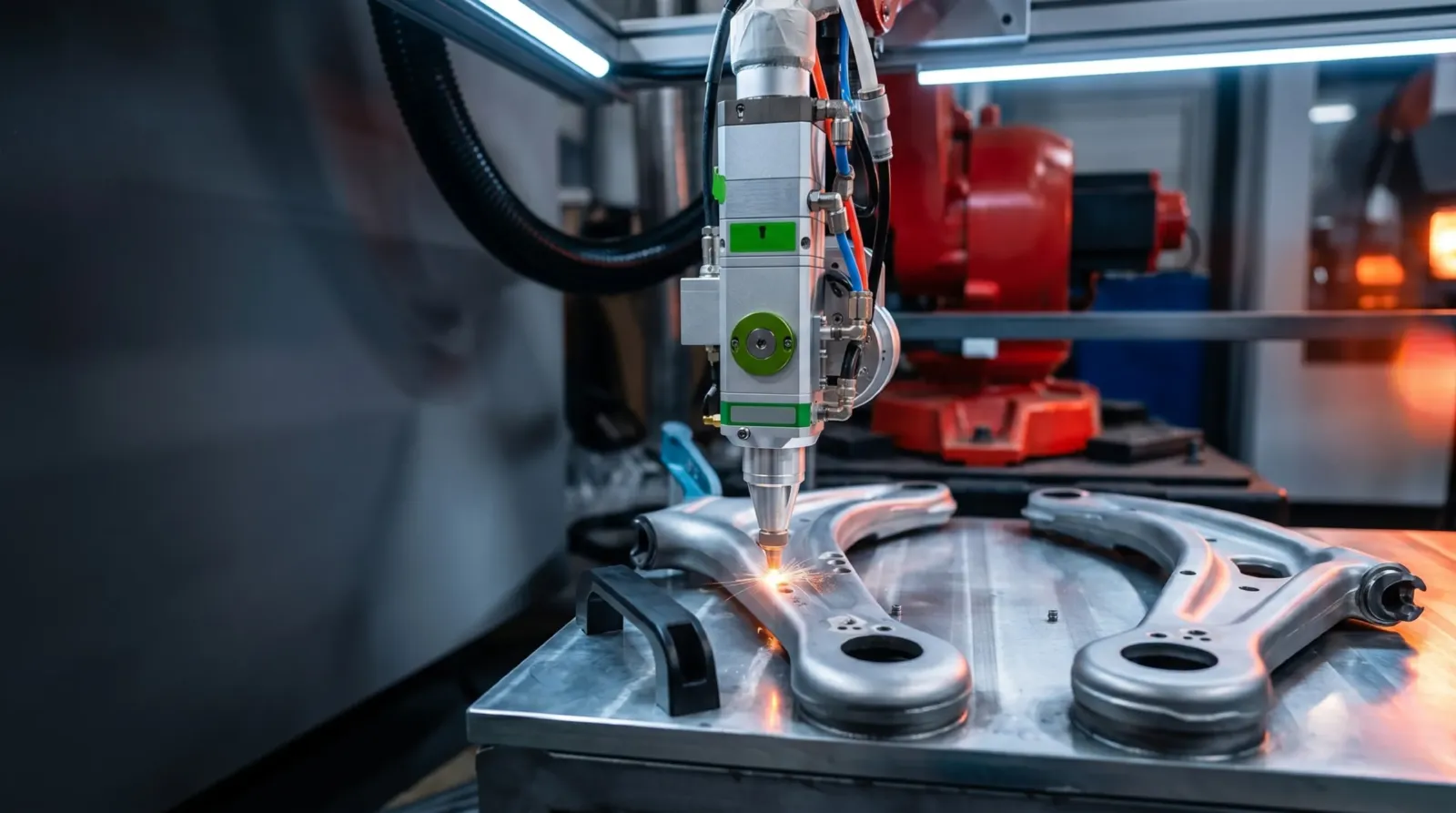
With robotic cutting solutions, we increase speed, precision and quality in your production processes while reducing material waste.
Robotic cutting is the automation of removing material from a workpiece or dividing it to the required size and shape using robots equipped with laser, plasma, waterjet or mechanical cutting tools. It delivers speed, precision and repeatability.
The robot's multi-axis motion makes it possible to cut three-dimensional parts, tubes and complex contours that flat sheet cutting machines cannot reach.
The system reduces product waste, improves production quality and keeps the operator away from the light, sparks and fumes generated during cutting.
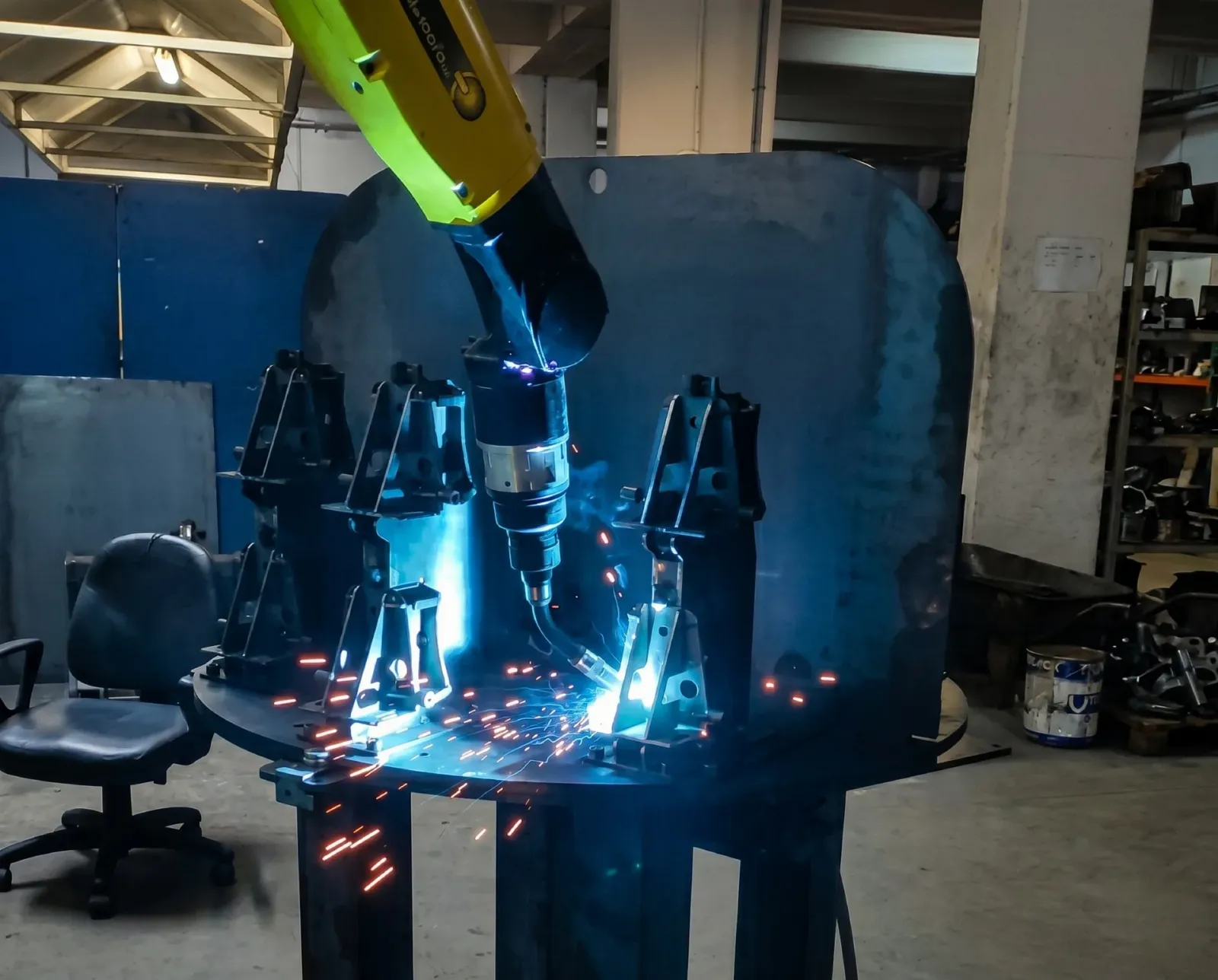
Robotic cutting systems deliver speed, precision and consistent quality standards for safe, efficient operations.
Parts are cut to the required size and shape with high accuracy.
Material usage is optimized and the scrap rate drops.
Repetitive cutting operations become faster through automation.
A safer working environment, away from cutting hazards.
The same cut quality is maintained on every operation.
Integration with different cutting systems depending on the material and application.
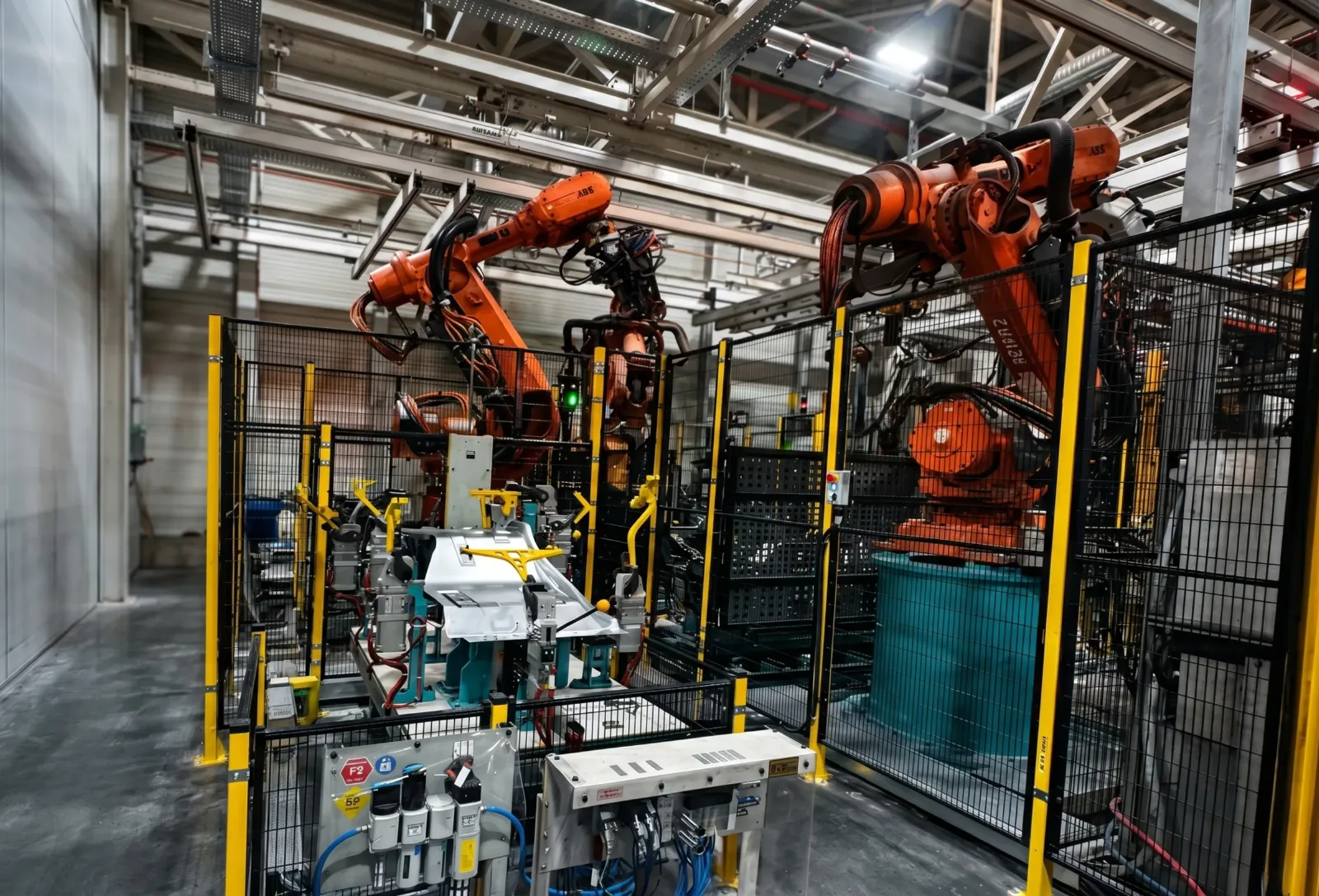
The right method is selected based on the material, thickness and the required edge quality.
Precise, fast and safe processing of metals, plastics and other industrial materials.
Fine, detailed cuts that require high precision.
Fast, powerful and efficient cutting of metals.
Dividing workpieces to the required size and shape.
Controlled, standardized processing of part edges.
Controlled cutting of materials with different structures.
Cutting systems customized to your product and process.
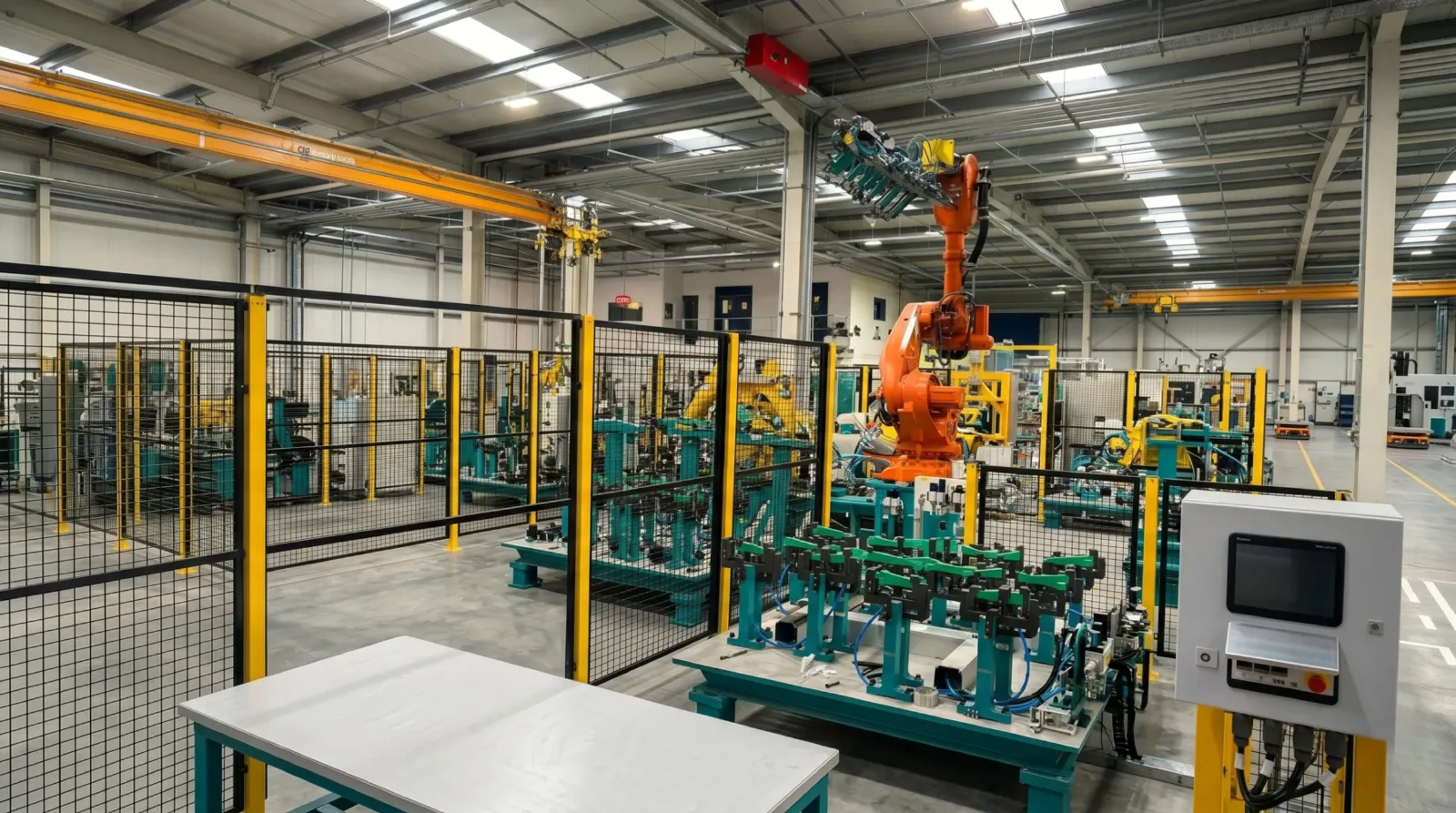
Share your application and goals, and together we will define the right robot cell, layout and investment plan for you.