
 Türkçe tr
 English en
 Русский ru
 العربية ar
 Español es
 Português pt
 Azərbaycanca az
Improves accuracy
Ensures products are correctly positioned, aligned and identified.
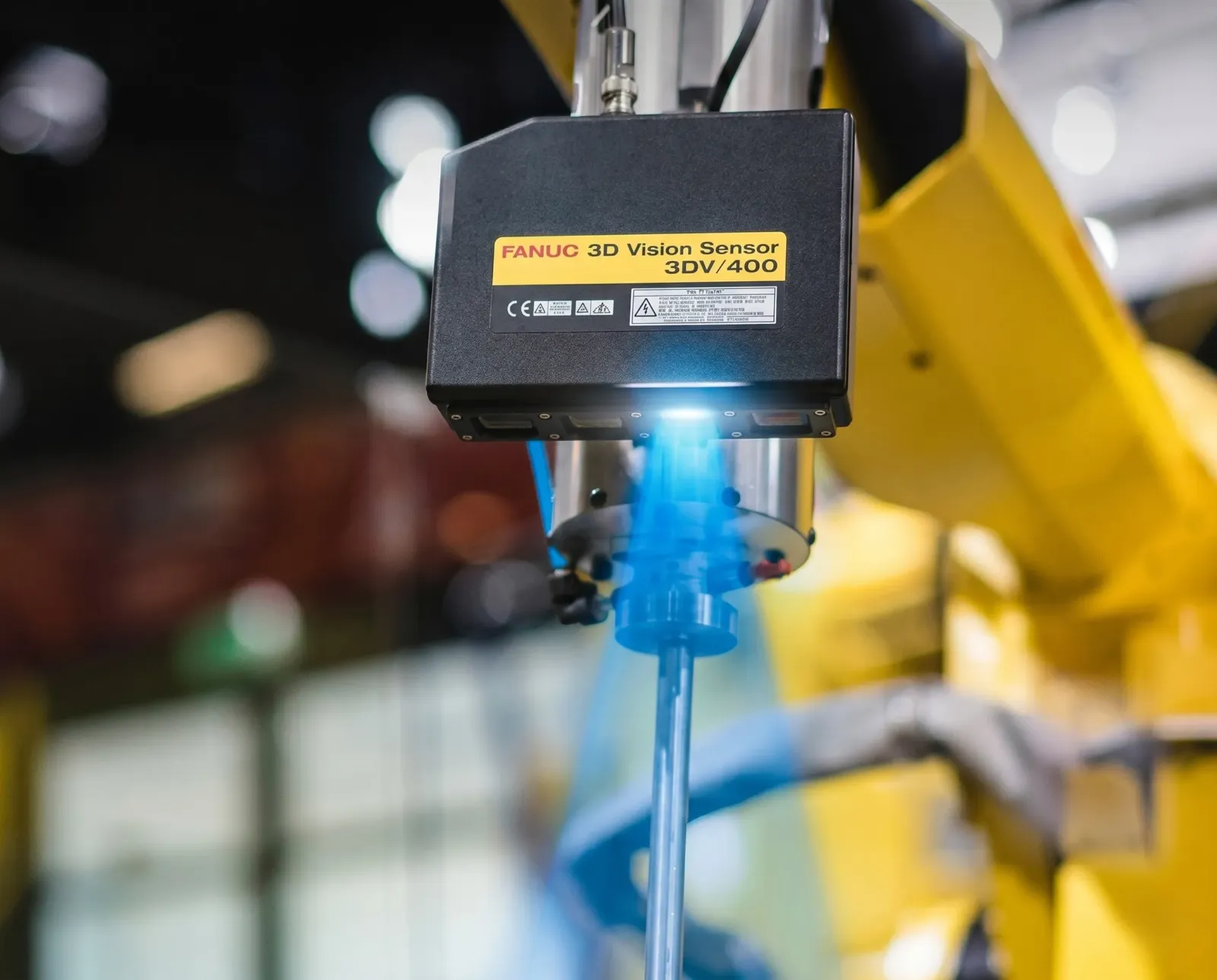
With industrial camera systems and machine vision technology, we improve accuracy, quality inspection and automation efficiency on production lines.
Industrial machine vision (image processing) is the software analysis of camera images to perform product recognition, defect detection, part location, measurement and robot guidance in production. It provides faster and more consistent inspection than the human eye.
2D and 3D cameras, the right lighting and machine vision software work together. The camera tells the robot where a randomly placed part sits on the conveyor, and the robot picks it from the correct point without the need for a fixture.
On the quality inspection side, missing parts, scratches, deformation, wrong labels or out-of-tolerance products are automatically rejected from the line, and every inspection is recorded.
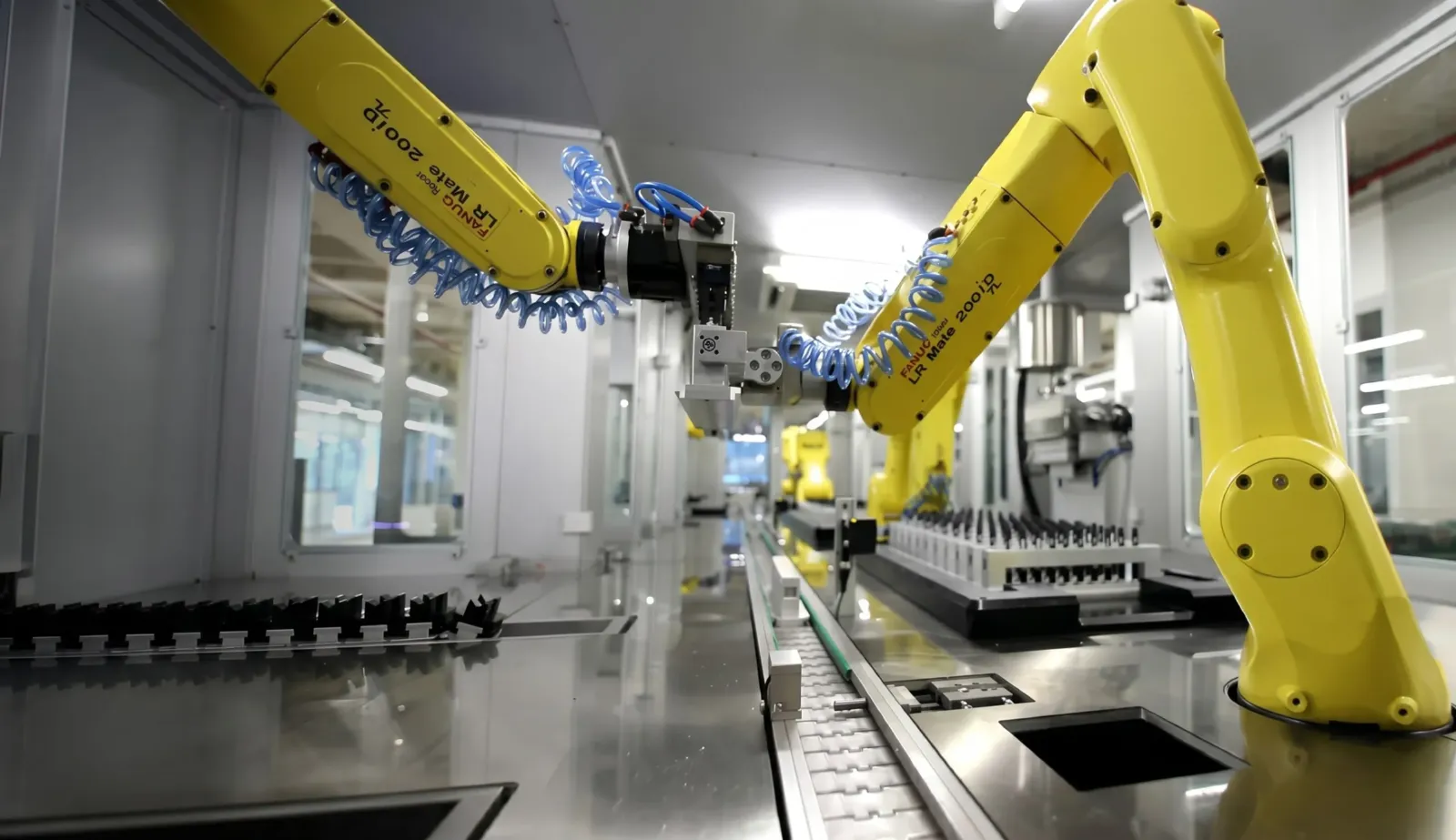
Machine vision systems inspect with greater speed and precision than the human eye, raising operational quality.
Ensures products are correctly positioned, aligned and identified.
Detects defects, missing parts, deformation or non-conforming products.
Helps robots pick and process products from the correct point.
Helps maintain the same quality level on every product.
Optimizes processes with faster inspection and fewer errors.
Records the result of every inspection to provide traceability.
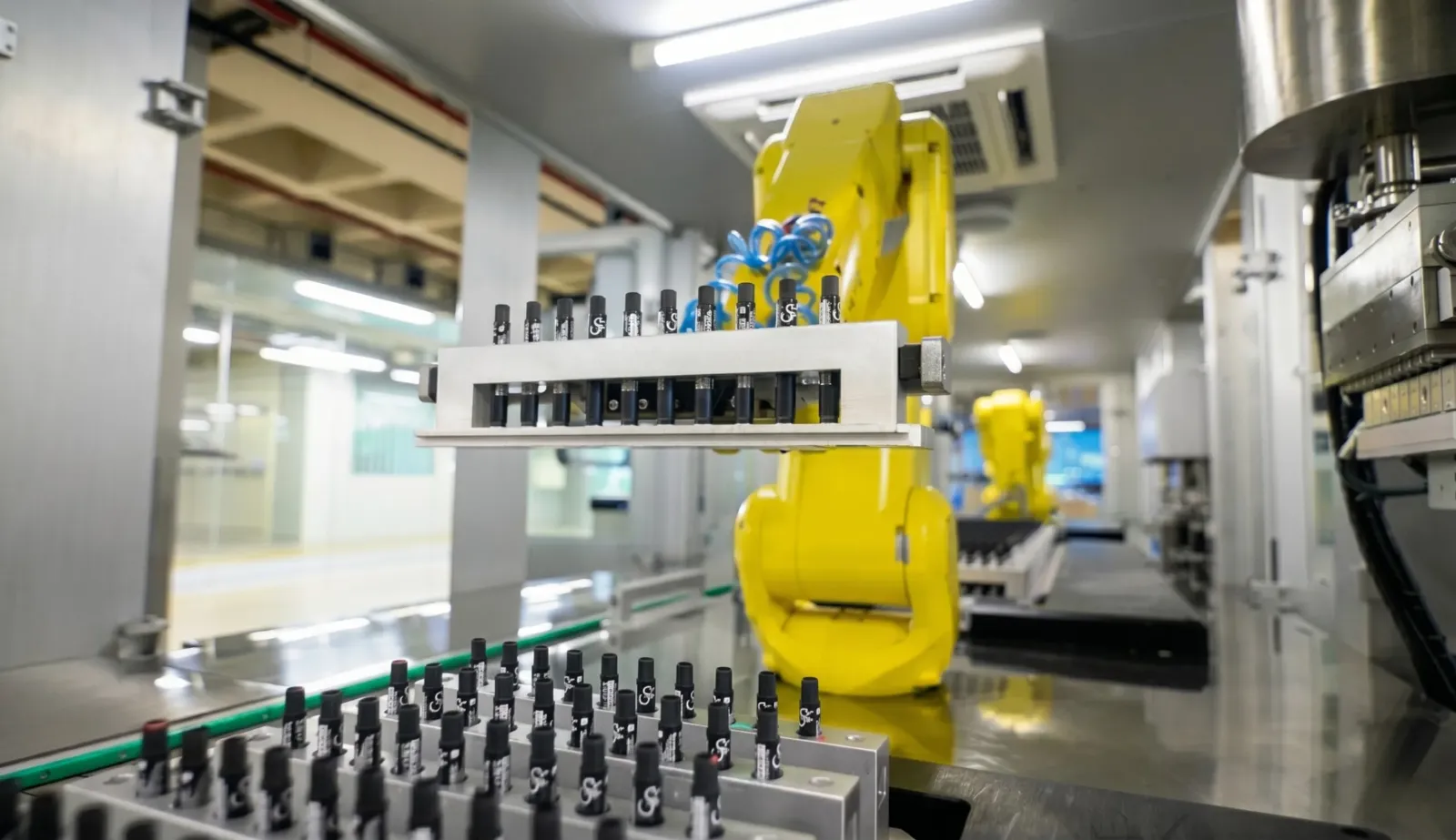
We integrate machine vision into a robot cell or a standalone inspection station.
A wide range of applications, from quality inspection to robot guidance.
Automated surface, assembly and dimensional inspection.
Camera-assisted picking of randomly placed parts.
Checking part presence and orientation.
Traceability through label, date and code reading.
Sorting products by type, color or size.
Non-contact dimensional measurement and tolerance checks.
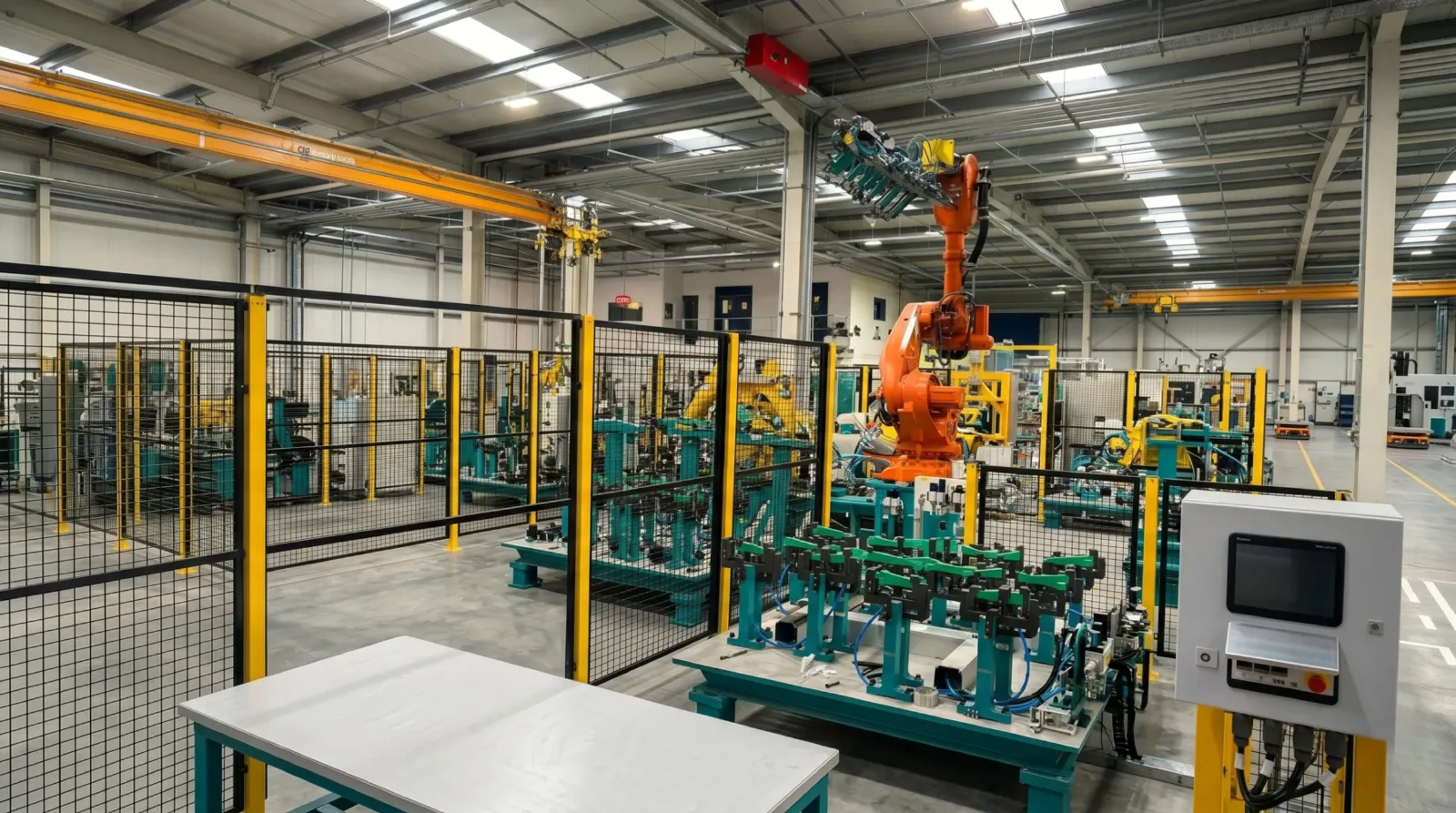
Share your application and goals, and together we will define the right robot cell, layout and investment plan for you.