
 Türkçe tr
 English en
 Русский ru
 العربية ar
 Español es
 Português pt
 Azərbaycanca az
Increases operational speed
Ensures products are moved quickly and without interruption.
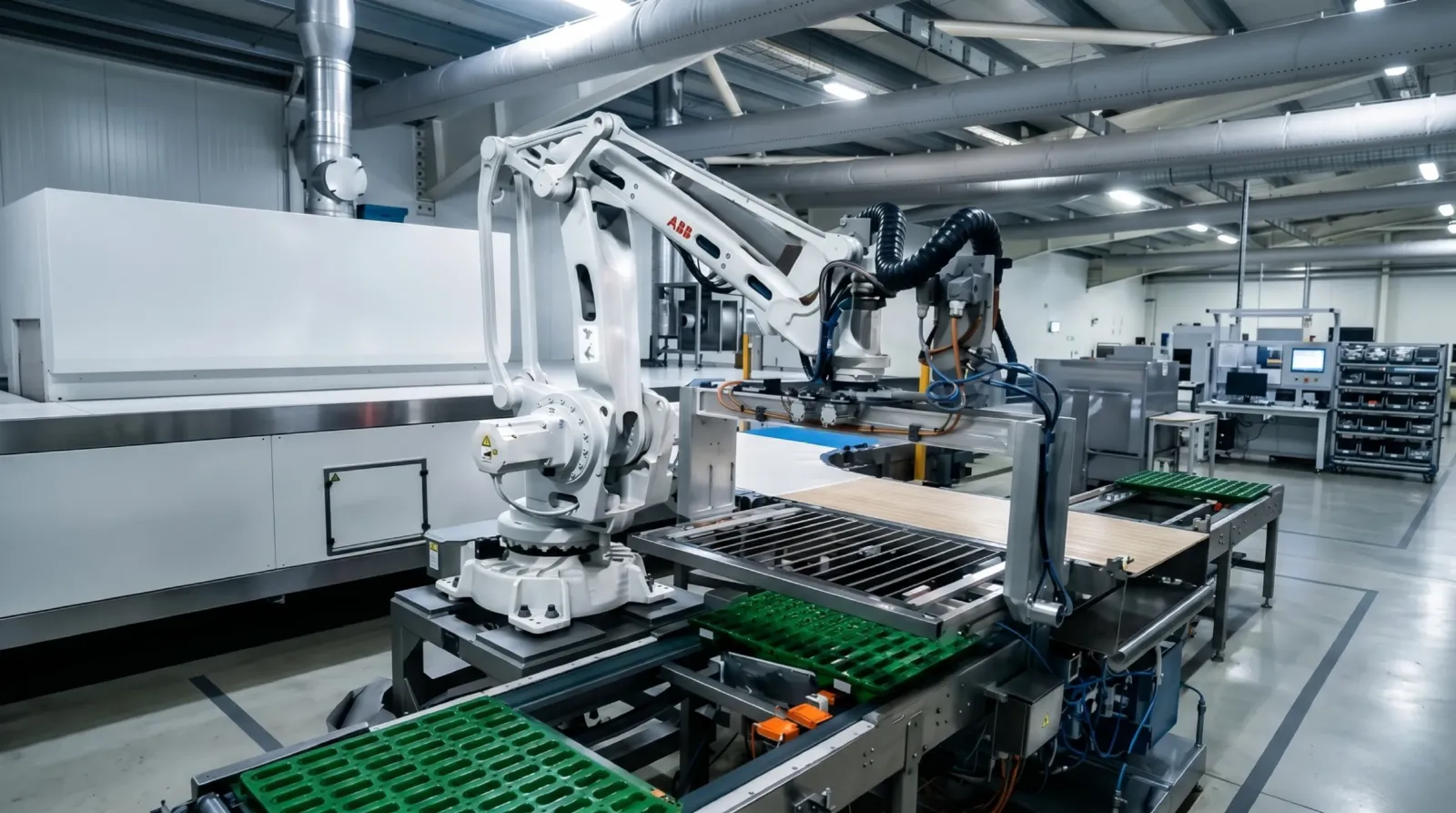
With robotic material handling solutions, we make your part picking, transfer, palletizing and machine loading processes safer, faster and more efficient.
Robotic material handling is the safe, controlled picking, moving and transferring of parts, products or packages from one station to another on a production line using robots and conveyors. It reduces manual handling and speeds up flow.
On most production lines, handling is the step that adds no value yet consumes the most time and labor. Robotic handling solutions reduce labor while increasing operational efficiency in processes such as part picking and transfer, palletizing, packaging and machine loading.
By designing conveyor lines, transfer units and robots together, we ensure that products move without interruption from the start of the line to the end.
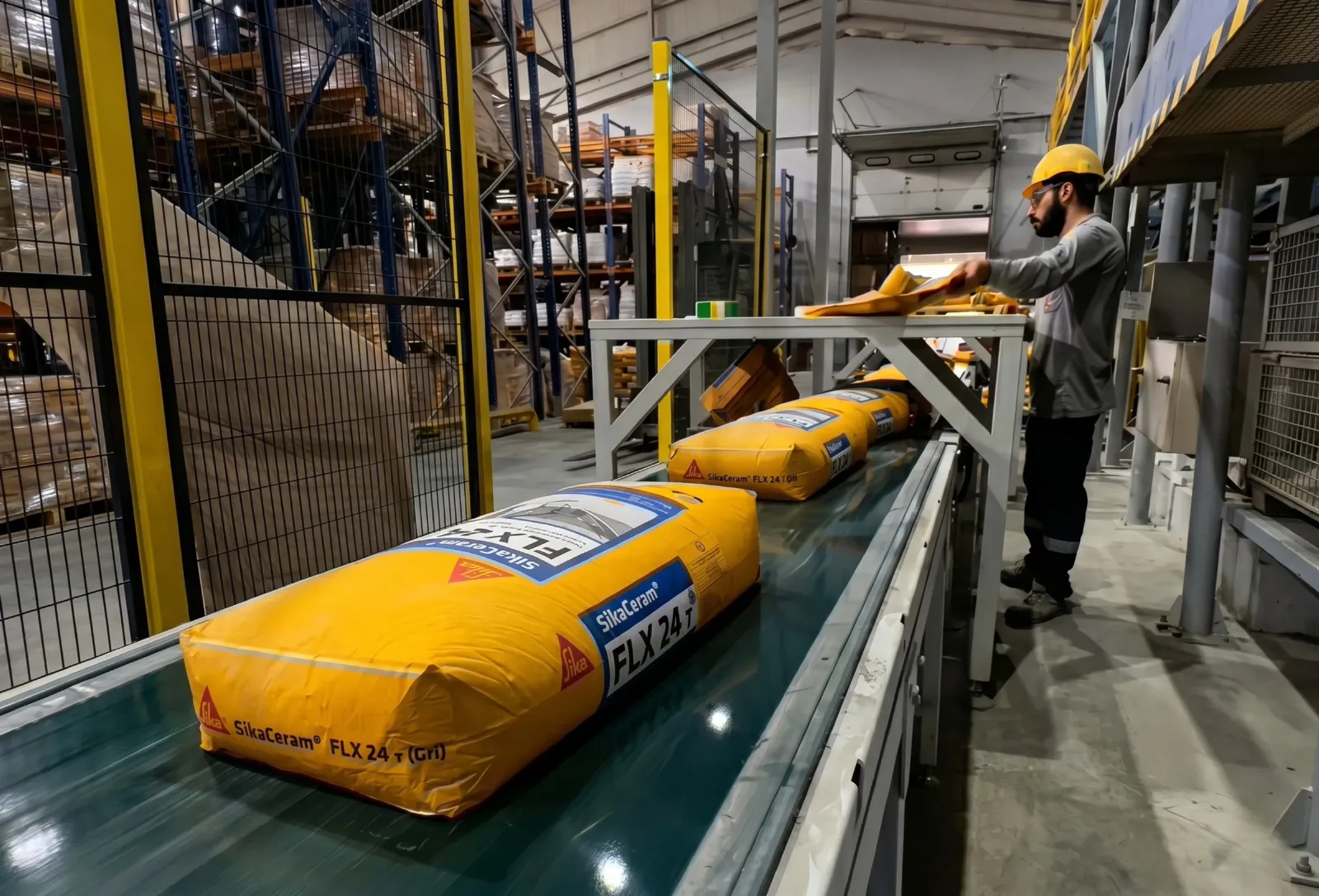
Robotic material handling brings speed, safety and efficiency to production, making operations more stable.
Ensures products are moved quickly and without interruption.
Lowers the need for manual handling and frees employees for value-added work.
Heavy or hazardous parts are moved without human intervention.
The same performance and accuracy are maintained in every operation.
Increases overall capacity by reducing errors and speeding up processes.
Easily adapts to different product types and scenarios.
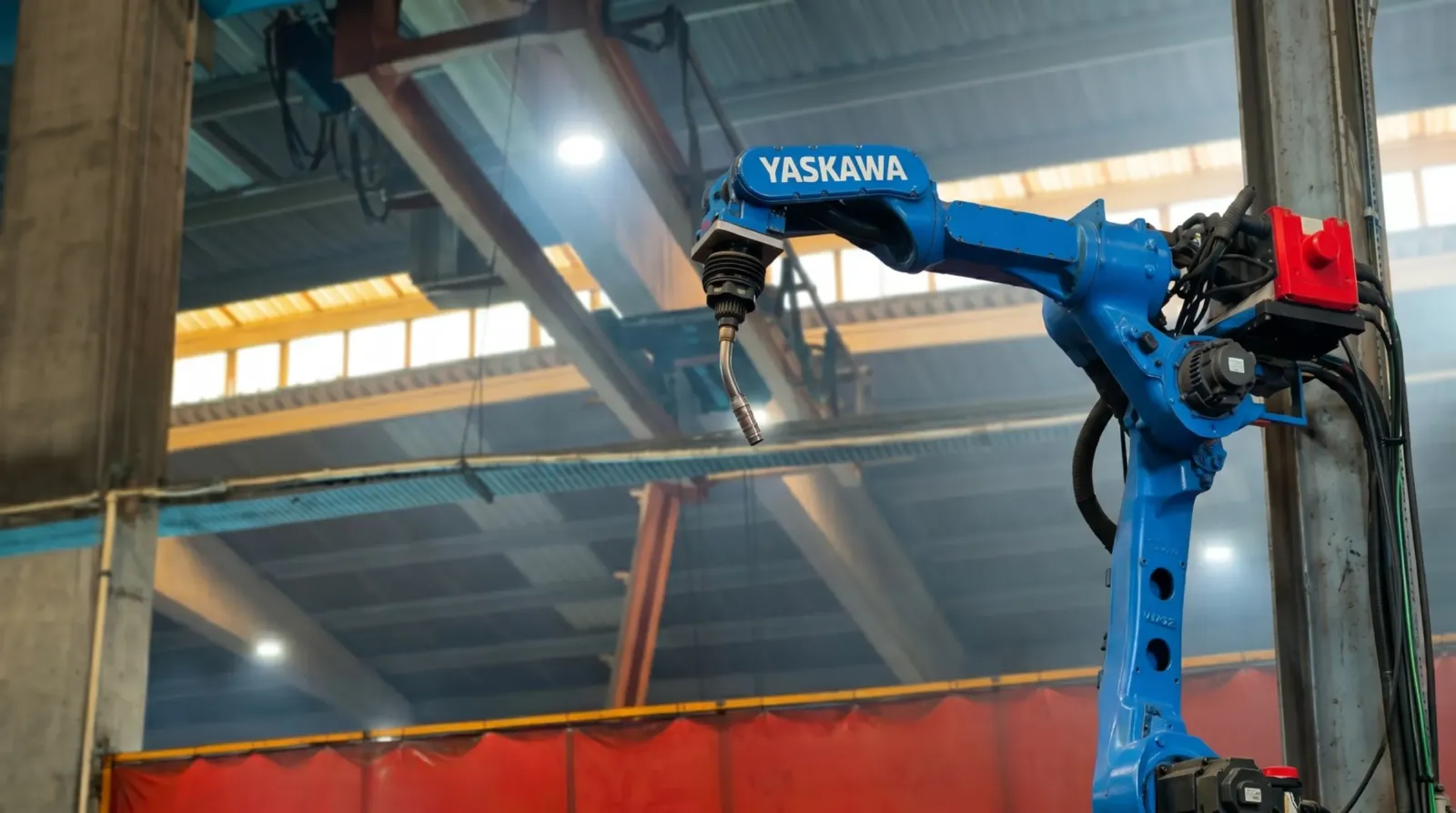
Every project is designed with the right combination of robot, conveyor and control system.
It makes operational flow safer and more efficient in production, assembly, packaging and loading processes.
Picking products from the correct point and transferring them to the right station.
Regular, safe feeding of CNC machines, presses and production equipment.
Stacking products and preparing them for shipment.
Delivering parts to the assembly line at the right time.
Safe transfer of large parts that are unsuitable for manual handling.
Orderly, controlled product flow between stations.
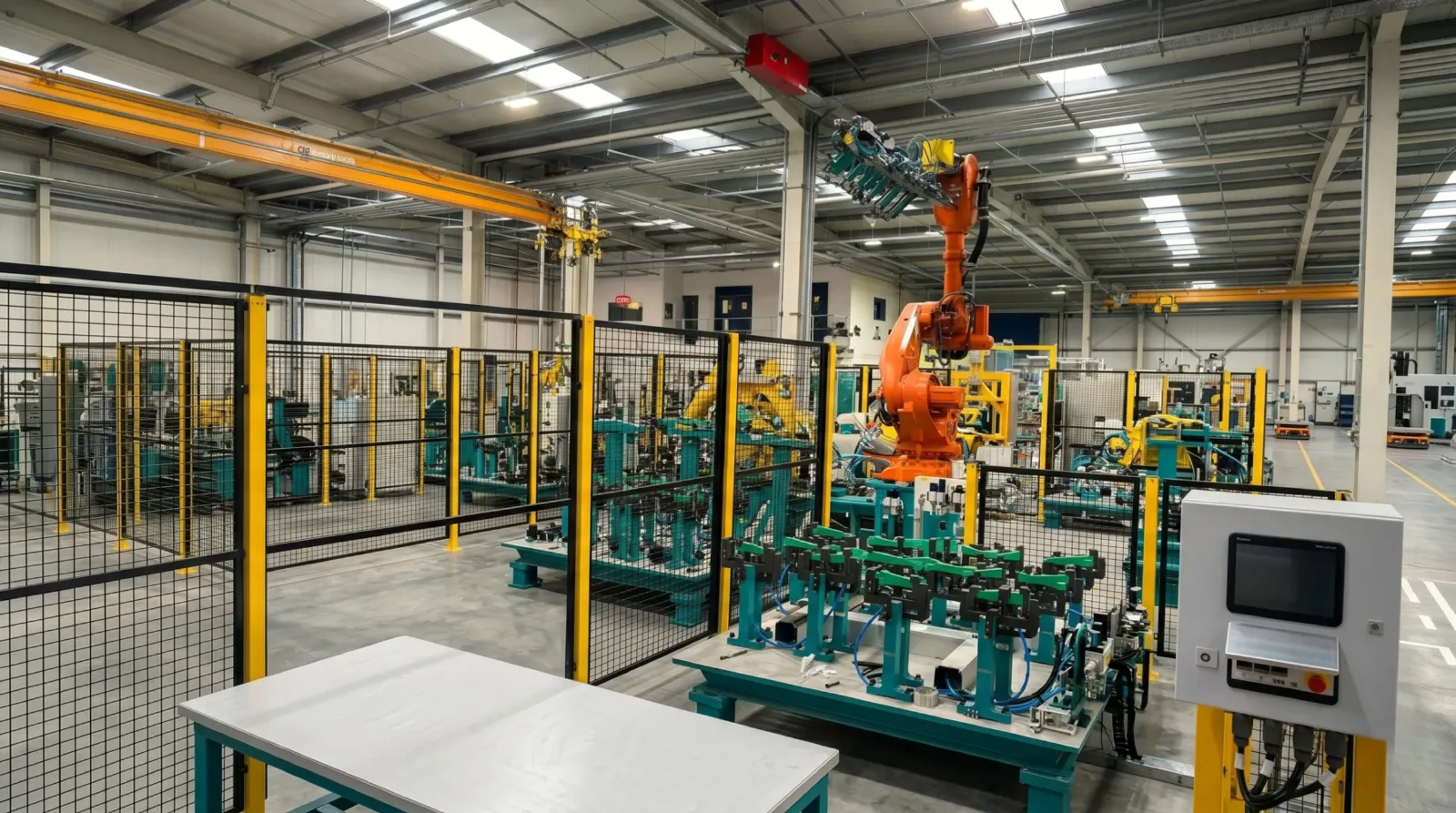
Share your application and goals, and together we will define the right robot cell, layout and investment plan for you.