
 Türkçe tr
 English en
 Русский ru
 العربية ar
 Español es
 Português pt
 Azərbaycanca az
Increases production speed
Assembly steps are completed within a constant, short cycle time.
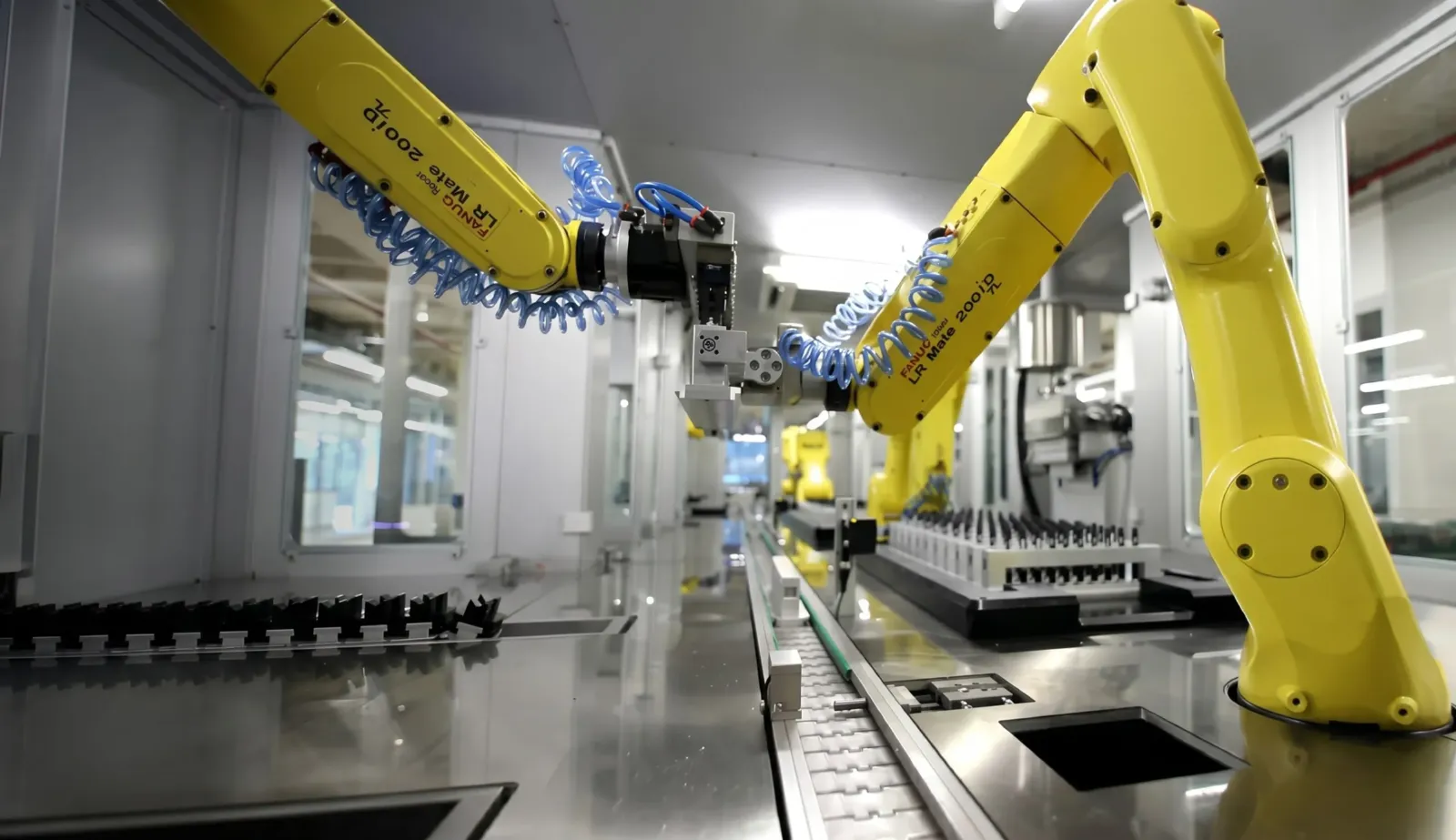
With robotic assembly solutions, we bring speed, accuracy and repeatable quality to production lines while reducing manual workload.
Robotic assembly is the joining, positioning, screwdriving and inspection of parts by robots in a defined sequence on a production line. It increases assembly speed while delivering the same quality on every product.
Assembly cells consist of a robot, custom grippers, part feeding systems, torque-controlled screwdriving units and machine vision cameras. The camera verifies the orientation of the part, the robot joins it in the correct position, and every assembly step is recorded.
This prevents products with missing or faulty assemblies from reaching the customer, reduces manual workload and makes the working environment safer.
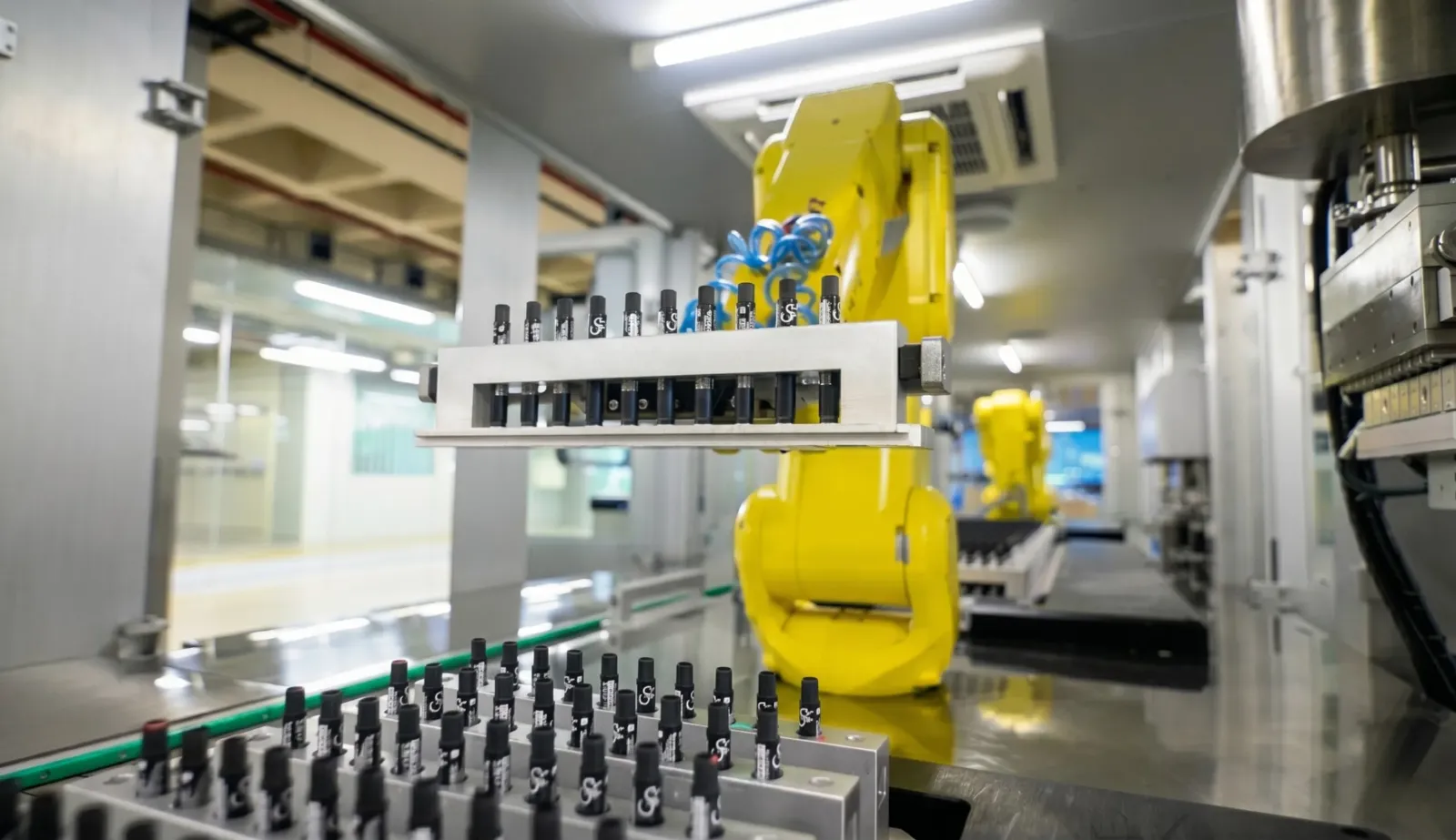
Robotic assembly systems bring speed, accuracy and continuity, helping assembly lines run more efficiently.
Assembly steps are completed within a constant, short cycle time.
The same assembly sequence and force are applied to every product.
Repetitive, tiring assembly tasks are handed over to the robot.
Ensures the right part is fitted in the right orientation.
Pinch and repetitive strain risks are reduced.
Camera verification before and after assembly.
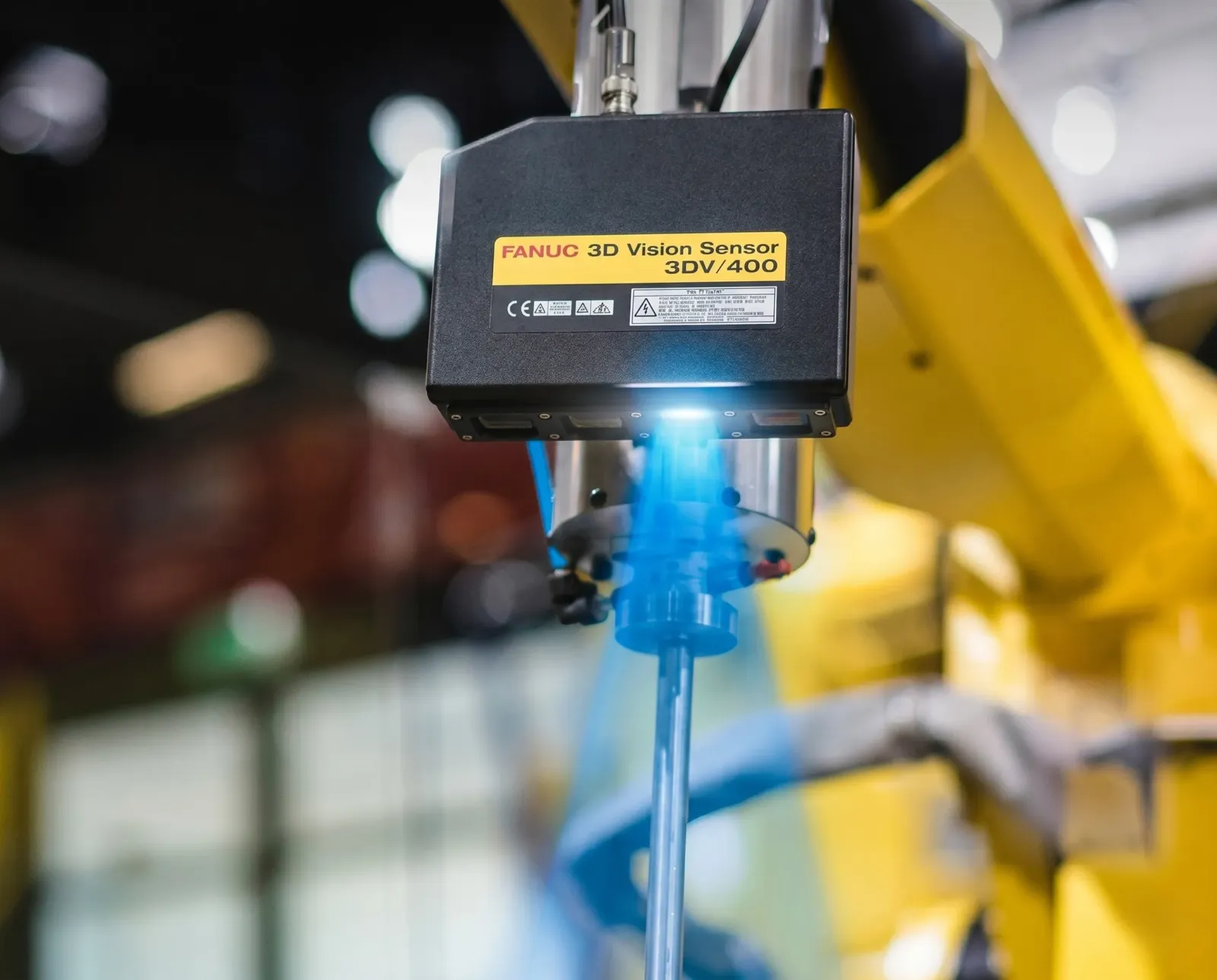
Each assembly cell is custom-designed around your product assembly sequence.
High efficiency in part joining, positioning, inspection and orientation processes.
Joining different parts in the correct sequence and with precision.
Speed, accuracy and consistent quality in repetitive screwdriving.
Preparing products in the correct position before assembly.
Camera support for part orientation and verification.
Separating parts by type or orientation.
Post-assembly product integrity and quality inspection.
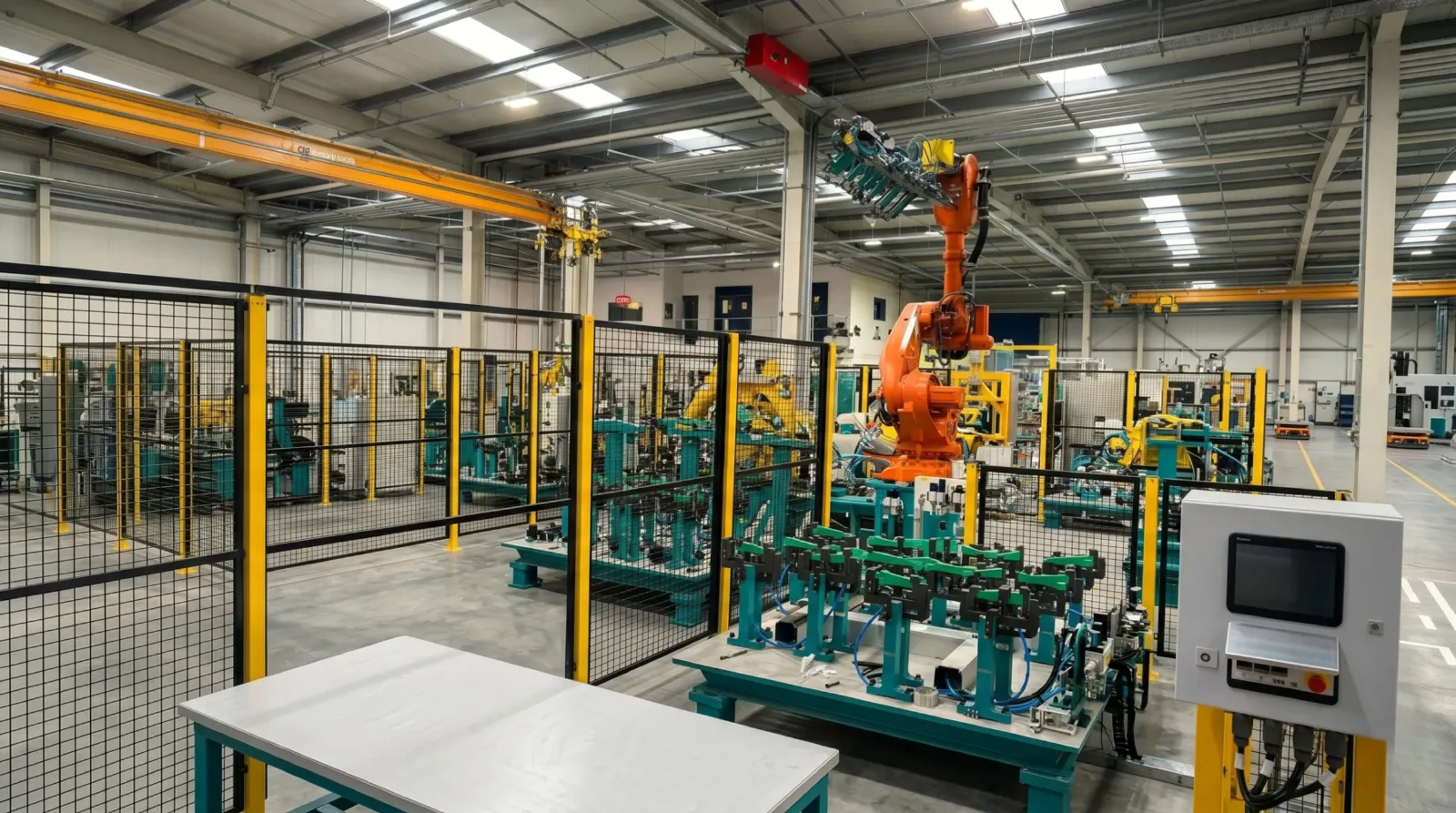
Share your application and goals, and together we will define the right robot cell, layout and investment plan for you.